Redesign Your Space With Our Skilled Renovation Company Solutions
Transforming a space can significantly boost both practical utility and visual charm. Professional remodeling services offer a mix of excellent construction and modern aesthetics. These services expedite the remodeling process, promising minimal stress for homeowners. Comprehending the various aspects involved is essential. What steps should one take to obtain a successful transformation? The answers might lead to unforeseen understandings and valuable considerations.
The Advantages of Expert Renovation Services
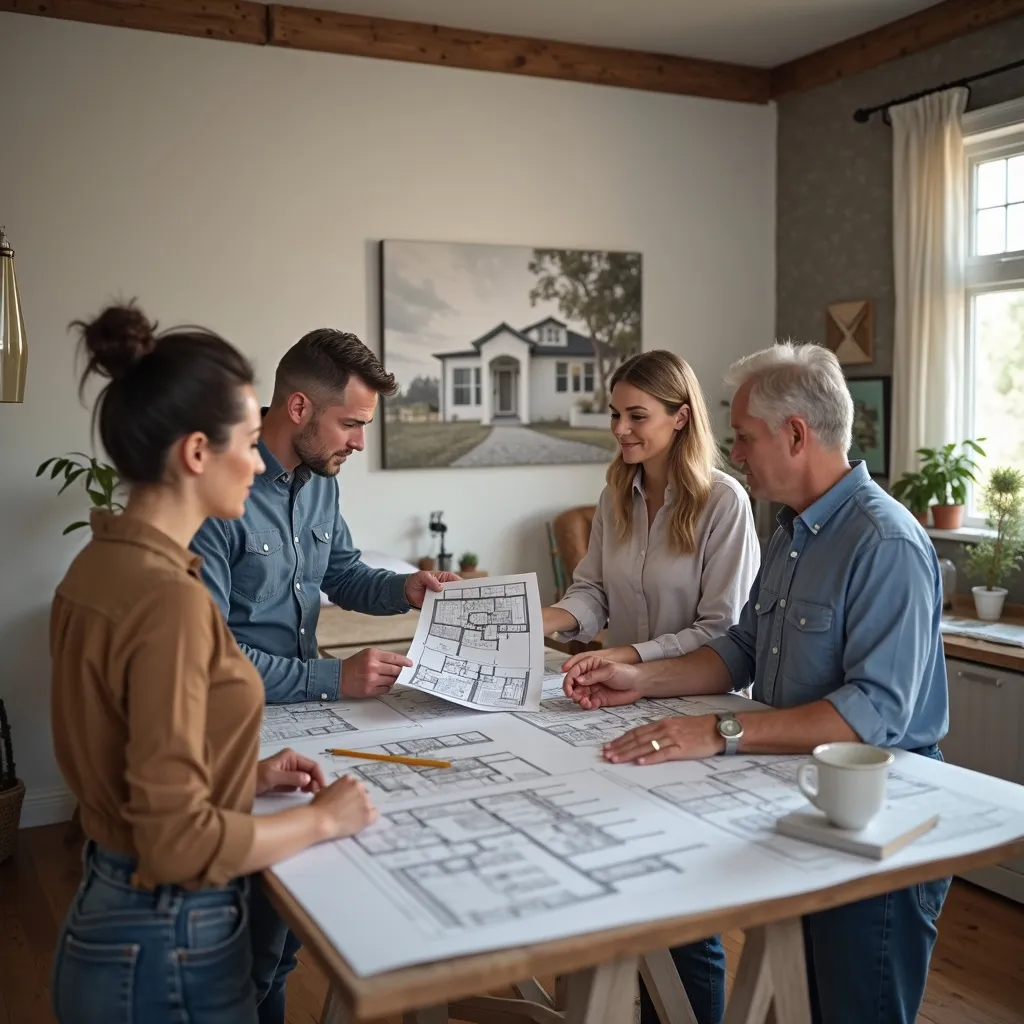
When property owners opt to upgrade their home environments, they often discover that expert renovation solutions present substantial benefits. Engaging qualified professionals in the sector ensures superior workmanship that complies with industry standards. These experienced professionals maintain the necessary skills and experience to manage intricate projects, minimizing the dangers of costly blunders that DIY efforts might cause.
Moreover, professional remodelers offer innovative design ideas that can transform a space in ways homeowners may not envision. They remain current on the newest styles and innovations, which can significantly improve functionality and aesthetics. In addition, employing expert assistance often streamlines the process, as these experts handle everything from planning and permits to implementation and evaluations.
Finally, hiring experienced renovation experts not only lifts the quality of the renovation but also lowers tension for homeowners, allowing them to enjoy the transformation of their living spaces without undue hassle.
Understanding the Renovation Process: What to Anticipate?
Grasping the renovation procedure is crucial for property owners considering a undertaking. This process typically starts with an initial consultation, succeeded by comprehensive design and planning phases. Ultimately, the construction timeline details the phases from start to completion, guaranteeing clarity throughout the endeavor.
Starting Consultation Phases
How can someone navigate the often complicated world of remodeling? The first meeting serves as a vital first step in this journey. During this session, clients consult with experts to talk about their vision, budget, and timeline. The remodeling company typically performs a thorough assessment of the current space, noting structural elements and any possible challenges. This is also an opportunity for clients to inquire and clear up any uncertainties about the process. The experts provide insights based on experience, assisting clients rank their needs and desires. Ultimately, this consultation sets the foundation for a successful renovation project, ensuring both parties are aligned before moving forward into the subsequent phases of design and planning.
Design and Organization Phase
The conceptual and organizational stage converts preliminary thoughts into tangible blueprints. During this vital stage, clients collaborate with creative professionals to clarify their goals, choices, and operational needs. Key elements include selecting substances, colors, and arrangements that correspond to the complete style and objective of the space. Designers utilize advanced software to produce accurate representations, allowing clients to visualize the project before construction begins. Cost planning also play an important role, as designers help prioritize qualities and components to stay within monetary limitations. Throughout this stage, clear dialogue guarantees that all involved parties are synchronized, decreasing misunderstandings. Ultimately, this thorough preparation sets the foundation for a successful remodeling project, paving the way for an efficient and organized construction process.
Building and Completion Timeline
What might one anticipate during the construction and completion timeline of a renovation undertaking? To begin, the process commences with ground readiness, incorporating demolition and clearing. This phase can differ in duration depending on the project's scope. Following this, the building phase commences, incorporating framing, plumbing, and electrical work. This phase often takes the most duration, as it requires precision and adherence to safety standards. Once the structural elements are in place, finishing touches such as drywall installation, flooring, and painting are completed. Finally, a thorough inspection guarantees all work meets regulatory standards and the homeowner's requirements. In summary, a remodeling project typically spans several weeks to months, depending on complexity, enabling homeowners to visualize their transformed space step by step.
A Guide to Selecting the Best Remodeling Company
Identifying the suitable renovation company can substantially impact the success of a residential remodeling project. Homeowners should initiate by researching potential companies, stressing on their expertise, core competencies, and past projects. Online feedback and testimonials can provide critical insights into the company's image. It's paramount to substantiate qualifications, including licenses and insurance, to guarantee conformity with regional regulations.
Next, clients should seek multiple quotes to assess prices and services, promoting transparency in what is included. Communication is another essential factor; a company that listens to its clients and responds promptly establishes a positive working relationship.
At last, analyzing the firm's portfolio can illustrate their visual identity and construction excellence. By attentively evaluating these variables, homeowners can make an educated decision, in the end creating a prosperous remodeling project that accommodates their aspirations and monetary resources.
Premier Profitable Refurbishment Initiatives for Your Residence
Homeowners typically search for valuable remodeling projects to enhance both capability and appearance. One of the most well-liked upgrades is the kitchen transformation, which can boost home value and develop a more inviting space for family gatherings. Upgrading bathrooms is another influential undertaking; modern fixtures and efficient layouts can tremendously enhance comfort and appearance.
Additionally, adding or renovating exterior areas, such as decks or patios, expands living areas and promotes exterior recreation. Completed basement areas also serve as versatile spaces, providing possibilities for entertainment, home offices, or visitor lodging.
Energy-efficient upgrades, including new windows and insulation, not only boost comfort but also decrease utility costs, making them a prudent investment. Finally, open floor plans have become increasingly sought-after, fostering a sense of space and connectivity. Each of these projects can markedly transform a home, offering homeowners both immediate enjoyment and long-term value.
Establishing Your Home Remodeling Upgrade Financial Plan
Budgeting for a home renovation project requires careful planning and explicit financial goals. Homeowners should begin by evaluating their complete financial picture, taking into account their spending capability and expected results. It is essential to separate between must-haves and nice-to-haves, prioritizing improvements that boost utility and marketability.
Next, obtaining detailed quotes from contractors can offer realistic estimates for workmanship and supplies. Including a contingency fund—generally 10-20% of the total budget—can assist in covering unforeseen costs that may occur throughout the remodeling process.
Additionally, property owners should explore financing options, including home equity loans or personal loans, to ensure that they can handle costs effectively. By setting a well-defined budget and monitoring expenditures throughout the project, homeowners can achieve a successful transformation without financial strain. Ultimately, careful budgeting establishes the groundwork for a rewarding remodeling experience.
Current Patterns in Home Remodeling Design
Emerging developments in home design renovation emphasize green initiatives, reflecting a heightened understanding of environmental impact. Open plan layouts continues to gain popularity, advancing a atmosphere of expansion and interaction across areas. Additionally, smart home integration is reshaping how dwellers operate with their living environments, enhancing convenience and efficiency.
Sustainable Design Practices that promote ecological accountability
A growing number of homeowners are embracing eco-friendly design approaches in their remodeling projects, reflecting a broader trend towards sustainability. These strategies prioritize eco-friendly materials, efficient energy solutions, and water conservation methods. Homeowners are increasingly choosing recycled or locally sourced materials, minimizing their carbon footprint while enhancing appearance. Incorporating energy-efficient appliances and solar panels not only lowers utility bills but also contributes to a sustainable lifestyle. Additionally, natural lighting solutions, such as skylights and larger windows, are becoming more common, supporting both energy efficiency and well-being. This shift towards sustainability not only aids the environment but also enhances property value, making homes more desirable to future buyers. Ultimately, sustainable design practices represent a innovative approach to contemporary remodeling.
Airy Concept Living
Open concept residential has turned into a widespread phenomenon in home remodeling, appealing to homeowners desiring spacious, multifunctional layouts. This design strategy breaks down barriers between key areas, such as the kitchen, dining, and living spaces, fostering a sense of connection and flow. By removing walls, homeowners can establish environments that promote social interaction and capitalize on natural light. This trend also allows greater flexibility in furniture placement, accommodating various activities and gatherings. With functional emphasis, open concept layouts can boost the overall aesthetic of a home, making it feel more expansive and inviting. Consequently, this design remains a favored choice for modern homeowners looking to expand their living spaces.
Smart Home Combination
Adopting technology, homeowners increasingly concentrate on smart home integration in their remodeling endeavors. This shift shows a growing demand for ease, energy efficiency, and enhanced security. Smart home devices, such as automated illumination, thermostats, and security solutions, can seamlessly integrate into modern styles, offering adjustable control through smartphones or voice directions.
Homeowners are actively adopting smart appliances that strengthen daily living, from refrigerators that observe groceries to ovens that can be managed remotely. This integration not only enhances functionality but also enhances property value. As remodeling companies keep pace with these advancements, they supply tailored solutions that match individual needs, creating spaces that are both stylish and technologically advanced. Smart home integration is no longer a luxury; it is now a standard expectation in contemporary remodeling.
Guaranteeing Quality and Fulfillment in Your Remodel
Quality and satisfaction are vital in any restoration project, as homeowners seek not only functional upgrades but also artistic improvements. An effective remodeling company values expertise, deploying talented professionals who understand the latest design trends and materials. By instituting rigorous quality control protocols, they guarantee that every aspect of the project meets high standards.
Communication plays an essential part in achieving client satisfaction. Consistent updates and transparency about timelines and budgets build trust and allow homeowners to communicate their choices. Feedback systems, such as surveys and follow-up meetings, enable the company to handle any issues quickly.
Moreover, a dedication insightful guide to using resilient materials contributes to persistent results, enhancing the overall worth of the home. Ultimately, a successful remodeling project relies on a blend of quality workmanship, clear communication, and a emphasis on the client's vision, creating spaces that delight homeowners for years to come.
Frequently Questioned Questions
How Long Does My Renovation Project Need to Complete?
The timeframe of a remodeling project fluctuates based on its scale, complexity, and selected materials. Typically, clients should plan for timelines extending from a few weeks to many months, depending on the specific requirements of the renovation.
Is It Feasible to Stay in My Home During the Renovation?
Yes, homeowners may often reside in their homes during a remodel, though it could be disruptive. Specific rooms may be inaccessible, and noise, dust, or disruptions can happen, disrupting daily comfort and routines.
What Warranties Do You Offer on Your Home Remodeling Work?
Yes, the company does offer guarantees on their renovation work. These warranties guarantee that clients get superior workmanship and materials, delivering confidence and protection against potential issues arising after the project's completion.
What Licenses Are Necessary for My Remodeling Project?
Permits required for renovation activities differ depending on area and scope. Generally, construction permits, wiring permits, and plumbing permits may be necessary. Reviewing regional codes guarantees adherence and avoids potential fines or work delays.
How Can You address Unexpected Complications Throughout Remodeling?
Unforeseen challenges throughout remodeling are addressed through forward-thinking communication and issue resolution. The team evaluates the circumstances, reviews alternatives with the client, and implements fixes quickly to minimize setbacks and ensure project continuity.